
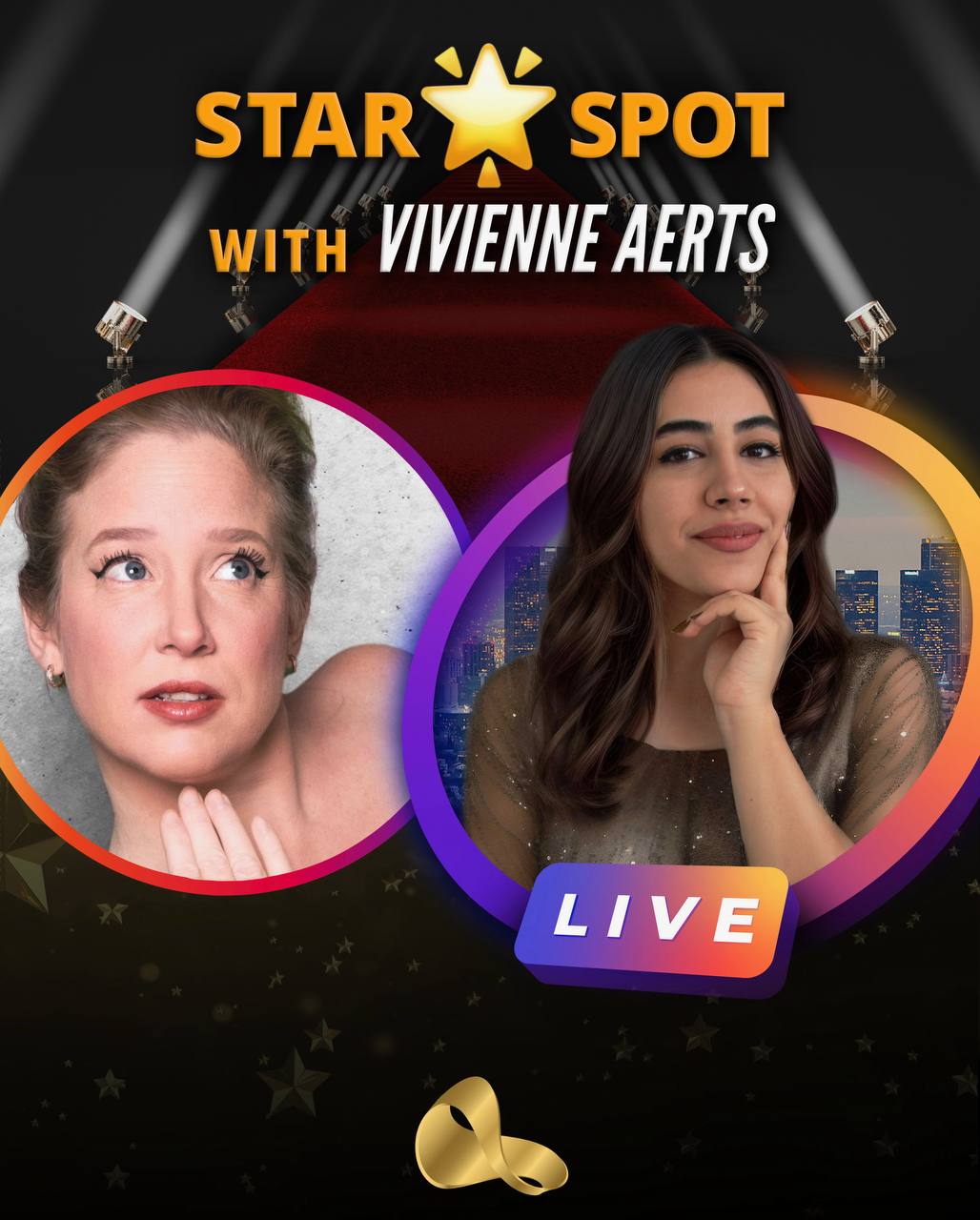
Vivienne Aerts | Star Spot
Vivienne Aerts on Creativity, Collaboration, and Winning the ICMA ICon Award
Vivienne Aerts, winner of the 2025 ICMA ICon Award, is a musician, composer, and educator whose work spans jazz, electronica, and classical music. Her win is also featured in the ICMA announcement of its 2025 winners. In this Star Spot interview, she reflects on the creative ideas and collaborations behind her music.
Welcome to Star Spot! I’m Merry, and in this series I speak with InterContinental Music Awards winners and insiders about their work, creative journeys, and experiences in music. Vivienne’s story offers a close look at how collaboration can connect people across borders and bring fresh ideas to life.
A project at the heart of the conversation is her album featuring more than 100 female musicians from 40 countries. Vivienne also discusses how her background in psychology shapes her work, the challenges of building an independent music career, and her advice for emerging artists.
Watch the full interview on Instagram.
Please give us a little introduction, and we would love to know how your music journey began.
First of all, thank you so much for this amazing award! Honestly, I still cannot believe I won the ICMA ICon Award. I sent this project some time ago without expecting anything, and it’s such an honor to see it recognized. This accomplishment truly means a lot to me.
The project I submitted is an album created in collaboration with over 100 female musicians from around the world. I asked my women friends to contribute—cellists, bassists, and other instrumentalists. The album features artists from 40 countries, and for each composition, I invited different musicians to arrange the songs.
For example, one song features a choir, another a full orchestra, and yet another a string quartet. Between the main tracks, there are short, experimental soundscapes—some just one minute long—made from contributions like a single note sent by a musician. Some of these recordings even came from the Congo, because the album is tied to a social project: it comes with chocolate produced by female cacao farmers. Every bar sold provides a living wage, and a tree is planted for each bar, supporting 1,500 women farmers. I was deeply inspired by this project, so it made sense that the album itself would be centered on women’s voices.
As for my background, I’m originally from the Netherlands, and I’m now based in New York. In the Netherlands, I studied choir conducting and psychology, and I worked in both fields. Later, I moved to the United States to continue my studies at Berklee College of Music in Boston, starting in 2012, and I’ve been collaborating with Berklee since 2014.
I live in New York and travel to Boston regularly, except during the summer when I tour. My work spans musician, composer, and educator, and I take on a variety of projects that explore creativity, collaboration, and social impact through music.
I know you hold a master’s degree in psychology. How has your background in psychology shaped the way you approach performance, teaching, and storytelling through music?
Absolutely. Having a background in psychology has been incredibly valuable in every aspect of my music career. I worked as a therapist for several years, which trained me to navigate people’s challenges—whether it’s emotional pain, personal struggles, or complex experiences. That insight translates directly into performance, teaching, and music storytelling.
For me, music is a different way to express yourself—sometimes indirectly, “between the lines.” It’s a healthy and creative language that can spread hope, connection, and peace. People have countless opinions about life, but music is universal. Even if listeners come from different backgrounds, they can connect through a song. It’s the same with food—everyone can agree on something being genuinely good. In music, that shared appreciation is powerful, and I use that perspective in my compositions and projects.
When it comes to teaching, my psychology background really informs my approach. At Berklee, I incorporate mindfulness techniques into my lessons. I encourage students to play from a space free of self-judgment—just exploring and connecting with their instruments. I’ve designed my own courses focused on mindfulness for performers, and I run experimental ensembles open to all levels and instruments, not just jazz musicians. The goal is to help everyone feel a deeper connection with their music.
So yes, psychology influences everything I do—my compositions, performances, and teaching philosophy. It’s all about emotional connection, self-expression, and human experience through music.
Let’s circle back to your album featuring 100 female musicians. What was the most surprising or unexpected moment that came from managing such a global collaboration?
The whole process took about two years, so it required patience and trust that the project would eventually be ready for the world. We worked song by song, but often had to manage multiple tracks simultaneously. Sometimes I would gather all the parts for one song while we were already mixing another.
What surprised me the most was how amazing and wholesome the final result turned out. Adding 26 singers from around the world and then editing everything together created something truly unexpected. The arrangements my friends contributed often differed from what I would have done, but they worked beautifully.
For example, I wrote most of my songs with just piano and bass, giving them a jazzy vibe. One of my friends transformed a song into a Cuban bolero for big bands, and it swung in a completely new and exciting way. Another friend, Marielle Roberts, created a crazy string arrangement that was modern classical with quirky, “creeky” textures, while I sang on top in a relaxed style. The contrast made the song—“What Will We Be?”—really special.
My goal was always to allow each musician to bring their personality and strengths to the project. I didn’t want to hire someone just to please me or follow strict instructions. Instead, I gave them freedom to express themselves authentically, because I hired them for what they do best. That trust and creative freedom is what made the album truly remarkable.
Let’s talk more about your music career. Every musician faces ups and downs. Could you share some challenges you’ve faced and how you overcame them?
My journey is really step by step. It’s easy to think, “I need to be famous,” but what does that even mean? I focus more on building connections—steady, slow, and authentic—just being myself. That takes time, but it’s far more meaningful than chasing instant recognition.
Of course, being an independent musician today means wearing many hats. Beyond singing and composing, you need to post on Instagram, send newsletters, book gigs, and constantly reach out to people. It can feel endless. I’d rather just sing, but promoting my work and managing the business side is essential.
Funding my albums is another challenge. For example, producing a project with over 100 female musicians is expensive, and no label would take that on. So I fund it myself through grant proposals, support from friends and family, and performing live shows. It’s a lot of work, but it allows me to maintain creative freedom.
Another challenge is figuring out how to sustain a career with streaming platforms like Spotify, which pay very little. That’s why I focus on gigs and selling physical albums, which has worked well because of the relationships I’ve built with my audience through newsletters and staying in touch over the years.
The biggest challenge, honestly, is balancing artistic integrity with the business side—knowing what to do, what not to do, and staying true to yourself while navigating the music industry.
What advice would you give to a musician who is just starting out on their path?
I think it’s crucial to value and nurture the connections you already have. Work with people with mutual respect and understanding, because the music world is smaller than it seems. Ten years down the line, you might end up collaborating with someone you never expected.
Another piece of advice is to play as much as possible and truly enjoy the music. Audiences can feel your energy and enthusiasm. If they see that you’re genuinely enjoying yourself, they’ll want to be part of it. That could mean performing songs about heartbreak or songs that make everyone want to dance—the key is authenticity. When the audience sees you fully engaged, they naturally want to join in.
It’s really about balancing connection, joy, and authenticity—the foundation for anyone starting a music career.
How did you hear about the InterContinental Music Awards (ICMA), and what was it like winning the award?
I first heard about ICMA last year when I saw someone post that they were in the finals. I thought, “Oh, I’ll just sign up for this year.” Honestly, I didn’t expect anything. I was recording a new album in August on a tiny boat in the Netherlands—no house, no toilets, just a super hardcore setup for two weeks. Winning the award was completely unexpected.
A few days later, someone messaged me on Instagram to say congratulations. I checked the ICMA website and realized, yes, I had really won the ICMA ICon Award. It was very funny and surprising! I wasn’t at the ceremony—it was about five hours of speeches and celebrations—but it meant so much to me to be part of the ICMA family.
You mentioned you were working on an album. Can you tell us about the release?
Yes! This next album is inspired by water. It’s recorded entirely on that tiny boat with sounds of water, bubbles, birds, and nature. I had some amazing friends join me: a bass player, Adina Merton on harmonica, Hermy Naduro, and Suzan Al on saxophone. I also brought synthesizers and batteries—it was a full endeavor! The album is set to release in March, on World Water Day, so stay tuned. It’s another unique and experimental project that I’m really excited about.
Any last words you’d like to share with your fans and our viewers?
I just want to thank everybody for this amazing opportunity. It’s such an honor to have your hard work recognized. Receiving an award like the ICMA ICon Award is truly heartwarming and motivates me to keep creating music that connects people across the world.